
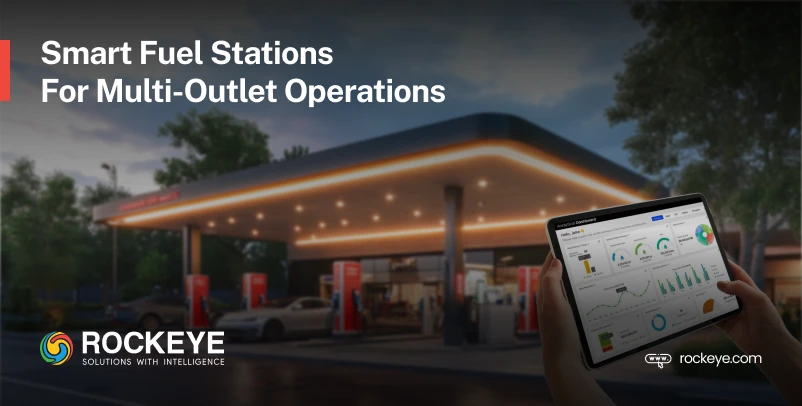


In an era where digital transformation is redefining retail value chains, fuel retail is no exception. Multi‑outlet fuel station networks in Kenya are experiencing increasing pressure to optimize operations, tighten commercial control, and future‑proof their business against loss, inefficiency, and regulatory risk. For C‑suite executives to heads of commercial and operations, understanding fuel station automation for multi‑outlet chains isn’t just about technology adoption: it’s about unlocking measurable profitability, governance, and competitive advantage across every point of sale.
This in‑depth blog examines the capabilities, benefits, and strategic imperatives of modern multi‑outlet fuel station automation, covering real‑time fuel inventory management, POS integration, remote monitoring, ATG and dispenser integration, and the power of cloud dashboards to drive enterprise‑wide transparency and efficiency.
The New Reality: Why Multi‑Outlet Fuel Station Software Matters
Fuel retail chains are complex operational ecosystems; they manage fuel inventory, pump operations, point‑of‑sale transactions, payment reconciliations, tax compliance, marketing initiatives, and customer expectations across multiple locations simultaneously. Traditional manual processes or fragmented legacy systems create costly blind spots:
- Fuel shrinkage and leakage due to unmonitored stock movements
- Discrepancies between pump volumes and reported sales
- Delayed stock replenishment decisions
- Slow, error‑prone reconciliation across outlets
According to industry research, smart automation can reduce fuel theft by up to 30% and improve service speed during peak hours by as much as 25% directly boosting revenue and operational reliability.
These figures underscore the strategic urgency for multi‑outlet networks to embrace cloud‑based fuel station management systems that unify operations across sites.
What “Smart Fuel Station Automation” Really Means
At its core, a multi‑outlet fuel station software solution is an integrated digital platform designed to automate, synchronize, and centrally manage every aspect of fuel retail operations:
1. Real‑Time Fuel Inventory Management
One of the foundational pillars of automation is real‑time visibility into wet stock and dry stock. Automated Tank Gauges (ATGs) and sensor feeds continuously update fuel levels, allowing the head office to:
- Monitor stock levels as fuel is sold.
- Detects discrepancies immediately.
- Trigger automatic reorder alerts before stockouts occur.
This dynamic transparency minimizes both overstocking (which ties up working capital) and stockouts (which depress sales) through predictive data planning.
2. POS Integration for Fuel Stations
Seamless POS integration ensures that every transaction, whether at the pump or in the convenience store, feeds directly into the head office system. This integration:
- Eliminates manual reconciliation and associated errors
- Improves sales and inventory accuracy across products
- Supports multiple payment channels, including M‑Pesa and card payments critical for
Cloud‑centred POS sync enables real‑time synchronization, ensuring that every sale across every outlet updates dashboards instantly, a key capability for networks with high throughput.
3. Remote Monitoring for Fuel Stations
Cloud‑based dashboards deliver executive visibility into:
- Fuel sales and inventory levels across all outlets.
- Alerts for low stock, pump anomalies, or unusual dispensing patterns.
- Centralized pricing changes pushed instantly across sites.
- Proof of sales and compliance reporting.
Remote monitoring is no longer “nice‑to‑have”; it’s a strategic imperative. It empowers leadership teams to manage by exception, allocate capital more intelligently, and enforce commercial policies consistently.
The digital automation movement is growing fast in East Africa. New solutions tailored to local realities now offer integrated fuel and retail management tools that connect POS and pump operations with real‑time reporting and analytics.
Key Technical Components: From ATG to Cloud Dashboards
To fully grasp the power of automation, it’s essential to understand the core technologies that make it possible:
Automated Tank Gauges (ATG)
Installed at fuel storage tanks, ATGs provide continuous readings of fuel levels and consumption. These devices:
- Detects variances between dispensed fuel and actual tank depletion.
- Send alerts for anomalies or potential leakage.
- Integrate data into central dashboards for cross‑location comparison.
This system is foundational for real‑time fuel inventory management, enabling data‑driven stock planning and loss prevention.
Dispenser Integration
Modern solutions connect directly to fuel dispensers, capturing:
- Litres dispensed per transaction.
- Pump performance metrics.
- Attendant activities.
This integration ensures that every litre sold is accurately accounted for and matched with POS data to prevent leakage and revenue loss.
Cloud Dashboards
The value of automation isn’t just in data collection, it’s in how executives can act on real‑time insights. Cloud platforms consolidate site data into visual dashboards, enabling:
- Multi‑location fuel station tracking.
- KPI benchmarking across outlets.
- Drill‑down analytics for granular performance insights.
These platforms also support mobile access, making it possible to monitor operations from anywhere, at any time.
Strategic Benefits for Multi‑Outlet Fuel Networks
Beyond the technical features, the business impact of smart fuel station automation is transformational:
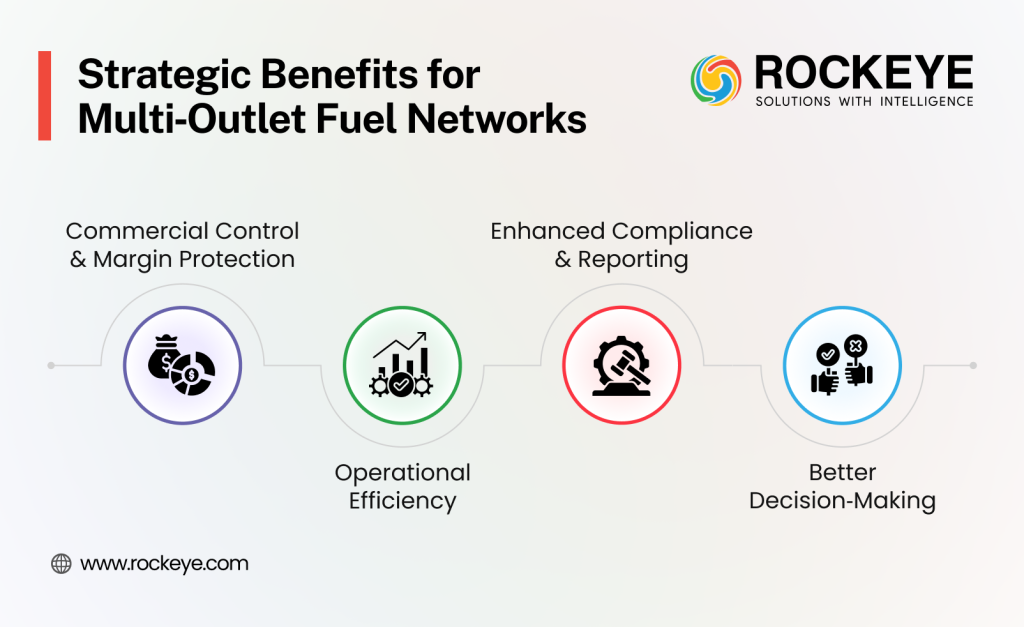
1. Commercial Control and Margin Protection
Automated systems eliminate guesswork. Real‑time tracking allows for early detection of anomalies, protecting margins previously lost to theft, manual miscounts, or reconciliation delays.
2. Operational Efficiency
Integration across ATG, dispenser, pumps, POS, and reporting systems reduces manual workload, allowing staff to focus on customer service and revenue‑generating activities.
3. Enhanced Compliance & Reporting
Regulatory frameworks increasingly require electronic tax reporting and audit trails. Automated platforms support end‑to‑end visibility and compliance documentation for fuel and retail sales.
4. Better Decision‑Making
Instant alerts, predictive inventory forecasts, and performance dashboards empower executives to make real‑time decisions around pricing, stock allocation, expansions, and promotions.
Implementation Considerations for Kenyan Networks
Kenya’s fuel retail sector has unique operational and regulatory dynamics:
- Multi‑brand and franchise networks need centralized control without sacrificing local flexibility.
Selecting a solution built for these realities with multi‑outlet scalability, cloud architecture, and adaptive integration will be a differentiator for forward‑looking chains.
ROI Snapshot: What Executives Should Expect
Here’s a quick strategic comparison of traditional vs automated fuel station networks:
| Metric | Traditional Process | Automated System |
| Inventory Accuracy | Manual estimates | Real‑time measurement |
| Stockouts | Frequent | Rare |
| Reconciliation Time | Days | Minutes |
| Fuel Theft Detection | Reactive | Proactive |
| Remote Visibility | Limited | Comprehensive |
How ROCKEYE Can Help
At ROCKEYE, we understand that multi‑outlet fuel station automation isn’t just about connecting systems, it’s about delivering commercial control, real‑time intelligence, and margin protection across every retail outlet.
Our Smart Station Solution is engineered to empower multi‑location fuel retail chains with:
- Real‑time Inventory Management via ATG and sensor integrations.
- POS Integration for Fuel Stations that syncs every sale across sites.
- Centralized Cloud Dashboards for executive‑level visibility.
- Remote Monitoring Capabilities that ensure operational control from anywhere.
ROCKEYE’s fuel retail platform is not just software; it’s a commercial control ecosystem that helps you eliminate revenue leakage, tighten operational governance, and unlock data‑driven strategic decisions across your multi‑outlet chain.
FAQs
How can I monitor fuel inventory in real time across all my fuel outlets?
Real‑time monitoring is achieved through Automated Tank Gauges (ATG) and sensor integrations that feed live stock levels into a cloud dashboard. Executives can view site‑by‑site inventories, receive alerts for low stock, and compare usage patterns all from a centralized interface.
What is the best automation solution for multi‑outlet petrol pumps?
The best solution integrates ATG, dispensers, POS, cloud dashboards, and remote monitoring. It should support real‑time synchronization and provide enterprise‑wide control, enabling seamless operations and profitability across outlets.
How do I synchronize POS data from multiple fuel stations into a single dashboard?
Modern multi‑outlet fuel station software consolidates POS transactions in the cloud. Every sale, whether at the pump or in the convenience store, auto‑syncs updating dashboards instantly and eliminating reconciliation delays.
How can I detect fuel theft or unauthorized dispensing at my fuel station?
Automated systems compare dispensed volumes with actual inventory changes recorded by ATG and dispenser integrations. If there’s an unexplained variance, the system triggers alerts, enabling you to investigate quickly and prevent ongoing loss.