


Palm oil companies need smarter transport and logistics management because inefficient shipment tracking, manual coordination, and fragmented data are driving up costs, slowing operations, and limiting supply chain visibility.
Every day, hundreds of trucks move between your mills, bulking stations, and refineries across Sumatra, Kalimantan, and Peninsular Malaysia. Yet, if you ask most supply chain leaders exactly where a specific shipment is, or why transport costs spiked 15% this month, the answer is buried in a mountain of WhatsApp chats, paper logs, and outdated spreadsheets. Get the right answers at the right time with powerful palm oil transport management software.
Relying on manual coordination isn’t just inefficient; it’s a direct drain on your bottom line. With shifting regulations, tight margins, and intensifying market pressures, midstream and downstream palm oil operations can no longer afford to treat transport and logistics as a blind spot.
The Midstream & Downstream Reality: Critical Logistics Pain Points
While plantation harvesting gets a lot of attention, the real margin erosion happens after the fruit leaves the gate and enters the midstream and downstream pipeline. Transporting Crude Palm Oil (CPO), Palm Kernel Oil (PKO), and derivatives involves complex, fragmented logistics networks that suffer from distinct operational vulnerabilities:
- Zero Real-Time Fleet Visibility
Dispatching tankers and trucks into a logistical black box means you only find out about delays, breakdowns, or route deviations when a shipment fails to arrive at the refinery or port on time.
- Fragmented Mill-to-Refinery Data
Disconnected systems cause massive friction. Mills operate on one system, transport contractors on another, and refineries on a third. This siloed approach leads to scheduling bottlenecks, long turnaround times, and costly demurrage fees.
- The Cost of Inefficiency
Unoptimized routing, empty backhauls, and poor driver allocation silently bleed capital. Without data-driven dispatching, fuel costs and vehicle wear-and-tear spike uncontrollably.
- Supply Chain Unpredictability
Demand spikes, refinery capacity shifts, and sudden weather disruptions require agile rerouting. Relying on manual updates makes your logistics reactive rather than proactive.
Must Read: Top 10 Challenges Palm Oil Mills Face in Malaysia and How Software Solutions Help
Market Snapshot: The Pressures Shaping Southeast Asian Palm Oil Logistics
Logistics management is no longer just about moving product from point A to point B. Today, macroeconomic factors in Indonesia and Malaysia are forcing companies to optimize every aspect of their supply chains.
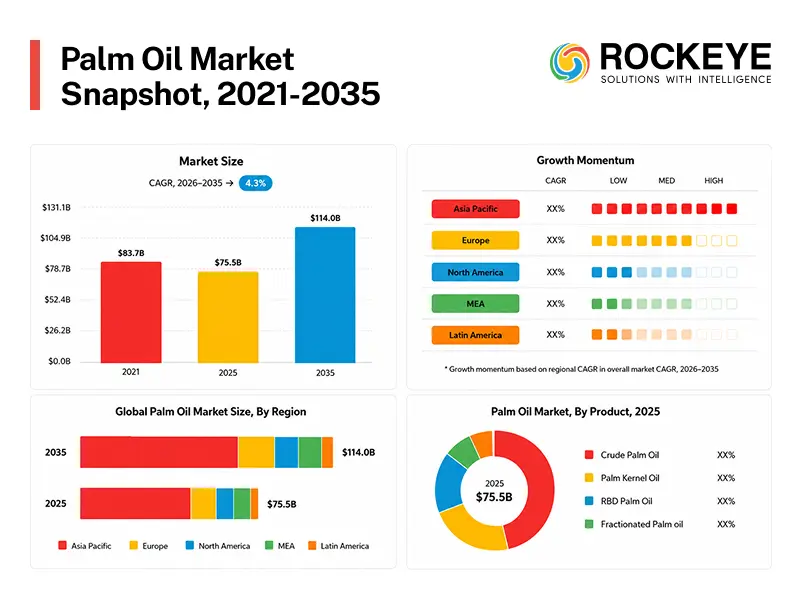
According to Grand View Research, the global palm oil market continues to expand, driven by rising demand from food, energy, and biofuel sectors. With market value projected to grow from USD 75.5 billion in 2025 to USD 113.9 billion by 2035, producers in Southeast Asia will face increasing pressure to scale operations while improving logistics visibility, efficiency, and supply chain resilience.
- Indonesia’s Aggressive Biodiesel Mandates
Indonesia is aggressively advancing its bioenergy agenda, with the government actively transitioning from the B40 mandate to B50 implementation. This massive domestic diversion changes domestic transport dynamics fundamentally. Millions of tons of CPO are being rerouted from export terminals to domestic biodiesel blending facilities, putting an unprecedented strain on local logistical infrastructure. Navigating these shifting distribution channels requires highly dynamic routing and fleet allocation.
- Malaysia’s Export Dynamics and Supply Pressures
According to the latest data from the Malaysian Palm Oil Board (MPOB), Malaysia’s palm oil production and export trends remain highly competitive, yet tightly constrained by labor structures and global demand shifts. Managing downstream logistics with razor-thin margins means that any delay at bulking installations or ports directly compromises export profitability.
- Strict Downstream ESG Tracking
Regulatory pressures have fundamentally rewritten the rules of palm oil logistics. Downstream players face strict carbon reporting frameworks and strict traceability requirements from international buyers. Every kilometer driven, every liter of fuel consumed by your fleet, and every transfer of custody must be digitally logged and auditable. Traditional paper manifests simply cannot meet this standard.
Why Legacy Systems and Spreadsheets Are Failing
For decades, the palm oil industry got by on custom-built legacy ERPs, localized logistics software, and massive Excel spreadsheets. But today’s fast-moving market has outgrown these tools.
Spreadsheets are static; they tell you what happened yesterday, not what is happening right now. They are prone to human error, difficult to share securely, and entirely incapable of optimizing live transport routes.
Generic ERPs lack the industry-specific workflows required for palm oil. They don’t understand the nuances of CPO temperature management during transport, the complexities of multi-stop bulking operations, or the specific weight-bridge integration needs at refineries. Trying to force a generic supply chain platform to manage complex palm oil logistics creates data silos, leaving decision-makers blind to real-time operational leakage.
Read to Stop Failing: Every Delivery Stop Trip Fraud: How to Verify.
Palm Oil Transport Management Software: The Shift Toward Operational Intelligence
To protect margins and ensure supply chain resilience, forward-thinking palm oil companies are shifting away from reactive management. The modern standard relies on centralized operational intelligence.
True transformation means unifying your midstream and downstream transport network into a single pane of glass. By centralizing fleet tracking, delivery scheduling, and refinery arrival times, companies can move from chaos to control with palm oil transport management software.
With data-driven operational intelligence, logistics teams can accurately predict arrival times, optimize vehicle utilization, automate driver scheduling, and instantly capture fuel and emissions data for compliance reporting. This shift turns logistics from a costly headache into a lean, predictable competitive advantage.
Introducing ROCKEYE: Visibility and Intelligence for Palm Oil Operations
This is exactly why we built ROCKEYE.
ROCKEYE is an advanced operational intelligence platform designed to bring total visibility, intelligence, and control across palm oil operations. We don’t believe in adding more complex software layers that your team will abandon. Instead, ROCKEYE integrates seamlessly with your existing infrastructure to bridge the gap between your mills, transport fleets, and downstream refineries.
By transforming fragmented logistics data into actionable insights, ROCKEYE helps palm oil enterprises achieve:
- Operational Transparency: Track downstream movements and monitor fleet performance in real-time.
- Supply Chain Optimization: Reduce turnaround times at refineries and eliminate costly bottleneck delays.
- ESG Compliance Readiness: Seamlessly capture transport and logistics data to support your sustainability goals and carbon footprint reporting.
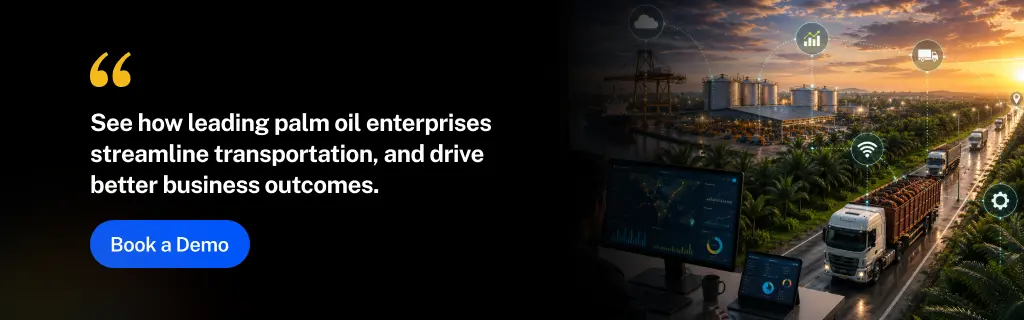
Operational Transformation: Before vs. After ROCKEYE
| Operational Function | Before ROCKEYE | After ROCKEYE |
| Fleet Tracking | Relies on manual phone calls, WhatsApp messages, and delayed driver check-ins. | Real-time map visibility with automated geofencing and instant delay alerts. |
| Refinery Scheduling | Tankers arrive unscheduled, creating massive bottlenecks, long queues, and demurrage fees. | Smart, synchronized arrival scheduling matched directly to refinery intake capacity. |
| Logistics Data | Scattered across paper logbooks, disconnected spreadsheets, and legacy software systems. | A single, unified dashboard combining all midstream and downstream logistics data. |
| ESG & Carbon Reporting | Manual, error-prone estimations of fuel burn and transport emissions that take weeks to compile. | Automated tracking of logistics-related carbon data, ready for immediate compliance auditing. |
Improve Palm Oil Logistics Visibility Before Operational Blind Spots Increase
Palm oil companies are operating in a market where efficiency, transparency, and responsiveness matter more than ever. Manual processes and disconnected systems make it difficult to manage modern supply chains.
A smarter approach combines real-time visibility, operational intelligence, and connected workflows across transport, mills, and downstream activities.
ROCKEYE helps palm oil companies build this foundation by providing a platform designed to improve operational transparency, supply chain control, and decision-making.
Connect with us to figure out operational bottlenecks and ways to solve them.
Frequently Asked Questions
1. What is digital transformation in the palm oil industry?
Digital transformation in the palm oil industry is the use of digital platforms, automation, artificial intelligence (AI), and real-time data systems to improve visibility, efficiency, and decision-making across plantations, mills, logistics operations, supply chains, and downstream businesses.
For palm oil companies, digital transformation typically focuses on improving areas such as FFB (Fresh Fruit Bunch) collection, mill operations, transportation management, inventory tracking, supplier coordination, traceability, and operational reporting.
2. How is AI used in the palm oil industry?
AI is used in the palm oil industry to analyze large volumes of operational data, identify inefficiencies, predict potential disruptions, and support faster business decisions.
Common AI applications include:
- Predicting transport delays and operational bottlenecks
- Optimizing truck allocation and delivery schedules
- Detecting unusual operational patterns
- Improving supply chain visibility
- Supporting demand forecasting and resource planning
- Generating insights from logistics and mill data
AI helps palm oil companies move from reactive problem-solving to proactive operational management.
3. What are the biggest palm oil logistics challenges in Indonesia and Malaysia?
The biggest palm oil logistics challenges in Indonesia and Malaysia include limited transport visibility, fragmented operational data, manual coordination, inefficient scheduling, and difficulty managing multiple supply chain stakeholders.
Common operational issues include:
- Lack of real-time visibility into truck movements
- Delays between plantations, mills, and processing facilities
- Manual reporting through spreadsheets and messaging platforms
- Poor coordination between transporters, mills, and suppliers
- Increasing requirements for traceability and sustainability reporting
Digital logistics management systems help companies improve coordination, reduce delays, and create better operational control.
4. What is palm oil transport management software?
Palm oil transport management software is a digital platform that helps companies plan, monitor, and optimize transportation activities across the palm oil supply chain.
It enables companies to manage:
- FFB transportation from plantations to mills
- Truck scheduling and allocation
- Transporter performance monitoring
- Delivery tracking
- Digital proof of delivery
- Operational reporting and analytics
For palm oil producers and processors, transport management software improves visibility and helps reduce transportation inefficiencies.
5. How does FFB logistics software improve palm oil mill operations?
FFB logistics software improves mill operations by providing better control over the movement of Fresh Fruit Bunches from plantations to mills.
It helps mills improve:
- Truck arrival planning
- FFB delivery scheduling
- Receiving capacity management
- Queue and waiting-time reduction
- Transport coordination
- Digital operational records
Better FFB logistics visibility allows mills to improve processing efficiency and reduce disruptions caused by unpredictable deliveries.
6. What is a plantation visibility system?
A plantation visibility system is a digital solution that provides operational insights into plantation activities, including production monitoring, field operations, and agricultural performance.
However, companies focused on palm oil logistics, milling, and downstream supply chains often require broader supply chain visibility platforms that connect plantations, transporters, mills, warehouses, and customers.
These systems help businesses understand where materials are moving, identify operational issues, and improve traceability across the supply chain.
7. How can palm oil companies improve ESG compliance and traceability?
Palm oil companies can improve ESG compliance by creating transparent digital records, improving supply chain traceability, and connecting operational data across plantations, mills, suppliers, and logistics partners.
Digital systems support ESG goals by helping companies:
- Track material movement across the supply chain.
- Maintain accurate operational records.
- Improve supplier visibility.
- Support sustainability reporting requirements.
- Prepare data for certifications and audits such as RSPO and ISCC.
Better data visibility helps companies demonstrate responsible sourcing and operational transparency.
8. What are the main Malaysian palm oil supply chain challenges?
Malaysia’s palm oil supply chain faces challenges related to logistics efficiency, operational complexity, export competitiveness, and increasing sustainability requirements.
Key challenges include:
- Managing transportation across multiple locations
- Improving supply chain transparency
- Reducing operational costs
- Meeting international sustainability expectations
- Maintaining reliable export supply chains
Digital supply chain platforms help Malaysian palm oil companies improve efficiency while adapting to changing market requirements.
9. What challenges will Indonesia’s and Malaysia’s palm oil exports face in 2026?
Indonesia’s and Malaysia’s palm oil exports in 2026 are expected to be influenced by global demand, sustainability regulations, biodiesel policies, market fluctuations, and increasing requirements for supply chain transparency.
Companies with stronger digital visibility will be better positioned to manage these challenges by improving:
- Production and logistics planning
- Traceability capabilities
- Operational efficiency
- Compliance reporting
- Supply chain responsiveness
10. How can AI reduce operational costs in palm oil logistics?
AI can reduce operational costs in palm oil logistics by helping companies optimize transportation decisions, reduce delays, improve asset utilization, and identify operational inefficiencies.
AI-driven logistics solutions can help companies:
- Optimize truck routes and schedules
- Reduce empty trips
- Improve transporter utilization
- Predict delays before they occur
- Reduce manual reporting workload
- Support faster operational decisions
By combining AI with real-time supply chain data, palm oil companies can improve productivity and lower logistics-related costs.