
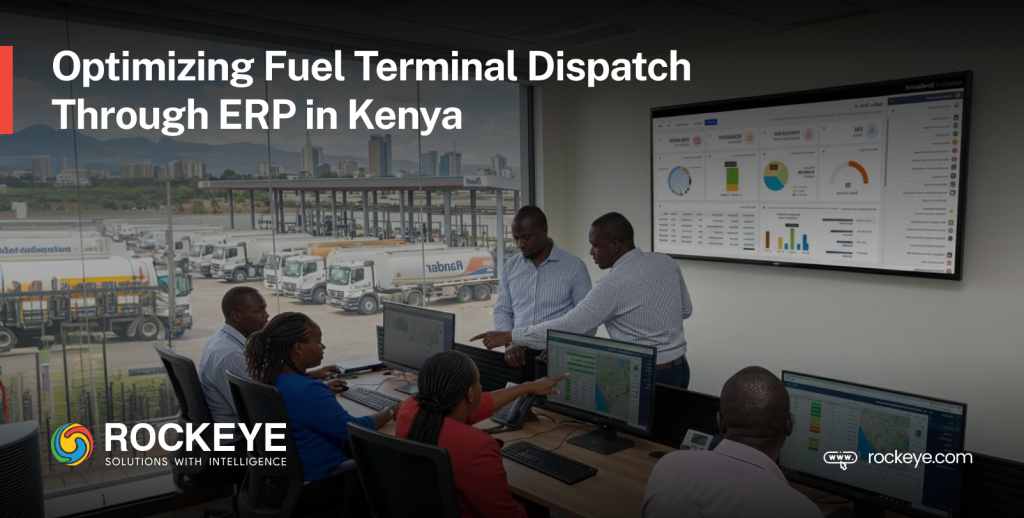


Efficient fuel terminal operations in Kenya face constant challenges in maintaining accurate dispatch, preventing losses, and ensuring compliance. With rising fuel demand, expanding networks, and regulatory oversight, operational discipline has never been more critical. Companies often encounter dispatch overrides, fuel shrinkage, and delays, directly impacting revenue and safety. ERP controls for fuel dispatch are now the backbone of disciplined, risk-free operations across Kenyan terminals.
Implementing robust ERP systems designed for fuel terminal operations can safeguard margins, improve throughput, and strengthen audit compliance. This article explores how ERP controls reinforce dispatch discipline, reduce operational risks, and enhance overall terminal efficiency.
Understanding Dispatch Discipline in Kenyan Fuel Terminals
Dispatch discipline in fuel operations refers to the structured, controlled processes ensuring that fuel delivery occurs accurately, on time, and in compliance with operational and regulatory standards. Without disciplined processes, fuel terminals experience:
- Unauthorized dispatches or overrides.
- Inventory discrepancies and shrinkage.
- Operational inefficiencies and delays.
- Financial losses and audit risks.
In Kenya, where fuel logistics are complex and heavily regulated, maintaining dispatch discipline directly impacts operational profitability and compliance. Fuel dispatch ERP solutions provide the framework to manage these risks effectively.

The Role of ERP Controls for Fuel Dispatch
ERP controls in fuel terminals provide automated, auditable, and transparent processes that prevent manual errors and unauthorized actions. Key functions include:
- Real-time fuel tracking: Fuel volumes and allocations are monitored at each stage of dispatch.
- Authorization workflows: Approvals for dispatches are embedded in the system, preventing unauthorized movements.
- Integration with terminals and stations: ERP systems link the fluid terminal management system with smart fuel station management system, ensuring seamless inventory updates.
- Audit trails and reporting: Every transaction is logged for compliance verification.
By implementing ERP controls for fuel dispatch, Kenyan fuel companies can significantly reduce dispatch overrides, shrinkage, and revenue leakage.

How ERP Systems Reinforce Operational Controls
1. Streamlined Fuel Dispatch Process Controls
Fuel dispatch process controls ensure each delivery adheres to company policies and regulatory requirements. ERP systems enforce:
- Scheduled dispatch plans.
- Automated load validations.
- Driver and vehicle verification.
- Alerts for overloading or misallocation.
These measures maintain operational discipline, reduce human errors, and prevent unauthorized deviations.
2. ERP Governance in Fuel Supply Chain
ERP governance in the fuel supply chain strengthens accountability across the network. Companies gain:
- Clear visibility over stock levels.
- Control over transfers between depots and terminals.
- Real-time reporting on fuel allocations and movements.
By combining ERP compliance controls in fuel industry operations with disciplined dispatch practices, fuel companies in Kenya achieve both efficiency and risk mitigation.
Leveraging ERP Compliance Management for Kenyan Terminals
1. Fuel Terminal ERP Systems for Risk Mitigation
Fuel terminal ERP systems integrate operational, financial, and compliance functions. This integration allows for:
- Reduced unauthorized fuel dispatch.
- Accurate recording of fuel receipts and deliveries.
- Prevention of margin leakage due to misreporting.
2. ERP Risk Control Solutions for Fuel Operations
ERP risk control solutions for fuel operations help terminals:
- Detecting anomalies in fuel consumption.
- Identify discrepancies in dispatch vs. recorded inventory.
- Trigger preventive controls before financial or operational loss occurs.
This ensures that Kenyan terminals can operate with confidence and remain audit-ready.
How Smart Fuel Station and Fluid Terminal Management Systems Support ERP Controls
Modern ERP systems work hand-in-hand with:
- Smart Fuel Station Management System: Ensures accurate point-of-sale tracking and fuel reconciliation.
- Fluid Terminal Management System: Provides visibility into terminal operations, inventory movements, and dispatch workflows.
Together, these systems offer a downstream fuel commercial control system that strengthens ERP controls implementation for fuel companies and maintains disciplined dispatch practices across all terminals.
Benefits of ERP Controls Implementation for Fuel Companies in Kenya

By adopting ERP software for fuel terminals, businesses can achieve measurable improvements in:
- Margin protection: Accurate tracking ensures minimal loss per liter of fuel.
- Throughput uplift: Streamlined processes allow more deliveries with the same assets.
- Audit readiness: Automated reports simplify regulatory compliance.
- Operational efficiency: Reduced manual interventions save time and labor costs.
These benefits demonstrate how fuel terminal management ERP solutions go beyond traditional systems, ensuring operational discipline and measurable ROI.

Implementing ERP Controls: Best Practices
- Integrate ERP with terminal and station systems to centralize control.
- Define clear approval workflows for dispatches to prevent overrides.
- Automate monitoring and reporting for real-time visibility into operations.
- Train staff on compliance and ERP system usage.
- Leverage analytics to identify patterns of leakage and improve decision-making.
Through disciplined ERP controls implementation for fuel companies, Kenyan terminals can standardize operations and reduce errors.
Must Read: When Depot Variance Impacts Margins: Insights for Kenyan Fuel Networks
ROCKEYE: Driving Dispatch Discipline Across Kenyan Terminals
At ROCKEYE, we specialize in ERP controls for fuel dispatch tailored to Kenyan fuel terminals. Our solutions include:
- Fluid terminal management system integration for full inventory visibility.
- Smart fuel station management system for accurate point-of-sale reconciliation.
- Advanced ERP compliance management for fuel industry standards.
- Risk control and audit-ready reporting to reinforce operational discipline.
By partnering with ROCKEYE, fuel companies can strengthen dispatch discipline, optimize margins, and improve overall operational efficiency while staying compliant with Kenyan regulations.
Key Takeaways
- ERP controls in fuel terminals ensure disciplined, auditable operations.
- Kenyan fuel terminals benefit from fuel dispatch ERP solutions that reduce loss, shrinkage, and operational risk.
- Integration of the smart fuel station management system and fluid Terminal management system enhances control and visibility.
- ROCKEYE provides tailored solutions to maintain ERP governance in the fuel supply chain and achieve measurable ROI.
FAQs
1. How do ERP systems improve dispatch discipline?
ERP systems enforce approval workflows, monitor fuel movements in real time, and maintain audit trails. This reduces unauthorized dispatches, improves operational accuracy, and strengthens compliance.
2. Why is dispatch discipline critical in fuel terminals?
Undisciplined dispatches can cause revenue loss, regulatory non-compliance, and operational inefficiencies. Maintaining discipline ensures accurate deliveries, reduces shrinkage, and protects margins.
3. How does ERP reduce dispatch overrides in fuel operations?
ERP systems require multi-level approvals, log all actions, and flag deviations. This prevents manual overrides and unauthorized fuel movements.
4. What ERP features control fuel dispatch?
Key features include automated load validation, driver and vehicle verification, real-time inventory tracking, alerts for anomalies, and approval workflows.
5. How do fuel terminals in Kenya manage dispatch risks?
Terminals use ERP-integrated systems to monitor fuel flows, enforce approval processes, reconcile inventory, and generate audit-ready reports.
6. How does ERP help in fuel audit readiness?
ERP maintains accurate, real-time records of fuel receipts, dispatches, and stock levels, allowing terminals to produce comprehensive reports during audits with minimal effort.
7. How to implement ERP controls in fuel terminals?
Implement ERP systems integrated with terminal operations, define structured approval workflows, automate monitoring, train staff, and leverage analytics to detect and prevent anomalies.