
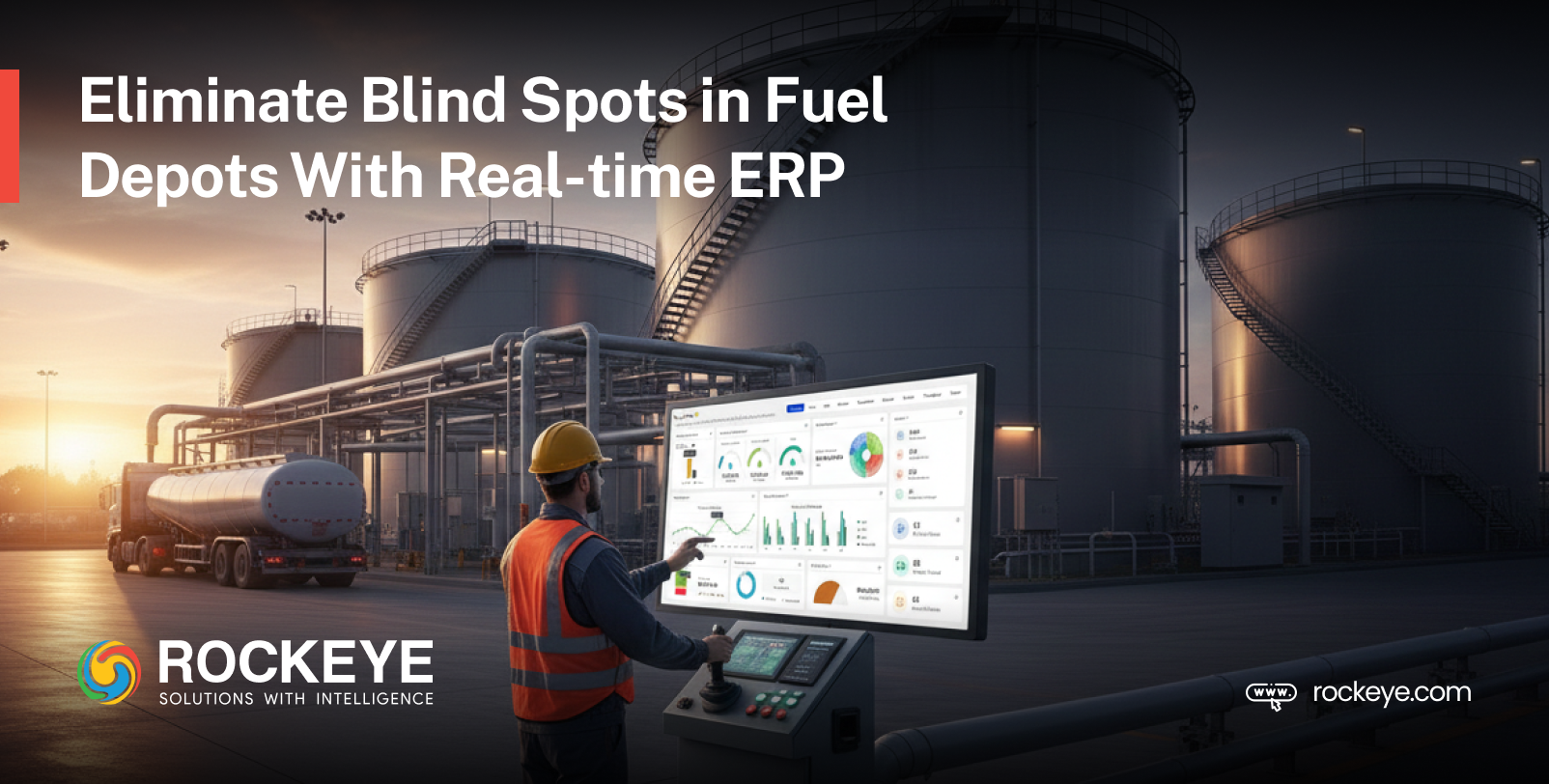
Fuel supply stability is not a luxury in Kenya; it is a necessity. As the country’s economy continues to grow, the demand for fuel increases, making the entire fuel value chain more complex and sensitive to disruptions. From procurement and storage to distribution and retail, each stage of the fuel supply chain relies on timely information and accurate decision-making. Yet, many fuel depot operators still depend on manual reporting, siloed systems, and delayed data. It creates a gap that leads to stock-outs, overstocking, and unpredictable distribution patterns.
In this blog, we explore why real-time ERP visibility across Kenyan fuel depots is the missing link in supply stability, and how integrating modern ERP systems can transform your fuel business into a more reliable, efficient, and profitable operation.
Why Real-time Visibility Matters in Kenya’s Fuel Industry
The Complexity of Fuel Supply Chain in Kenya
Fuel supply chains in Kenya involve multiple stakeholders, including oil marketers, depot operators, transporters, retail stations, and regulatory bodies. These stakeholders rely on accurate and timely data to manage operations efficiently. However, the current reality in many depots is fragmented information, delayed reporting, and limited integration between systems.
Without real-time data, you cannot accurately forecast demand, monitor stock levels, or detect anomalies such as fuel pilferage or diversion. It reduces your ability to respond proactively to market changes, leading to supply instability.
Supply Chain Stability in Kenya Depends on Data
Supply chain stability in Kenya is not just about having enough fuel; it is about ensuring that fuel is available at the right time and in the right place. When depot managers do not have real-time visibility into stock levels and movements, decisions are based on estimates rather than facts. It can lead to:
- Frequent stock-outs at retail stations
- Inconsistent supply schedules
- Poor fleet and logistics management
- Revenue leakage through untracked stock movements
Real-time ERP visibility eliminates these issues by providing a single source of truth for all depot operations.
What Real-time ERP Visibility Looks Like in Fuel Depots
A Unified View of Depot Operations
With real-time ERP visibility, you can monitor:
- Stock levels by product type and tank
- Inbound deliveries and receipts
- Outbound dispatches and deliveries
- Tanker loading and unloading schedules
- Compliance and safety documentation
All of this information is available in a central dashboard, enabling you to make faster, smarter decisions.
Improved Demand Forecasting and Planning
When you can see consumption trends in real time, you can forecast demand more accurately. It helps you plan procurement and avoid both shortages and overstocking.
Better Control Over Stock Movement
Real-time visibility helps you track fuel movement from depot to station and identify any discrepancies immediately. It improves accountability and reduces losses due to pilferage or diversion.
Must read: Downstream Supply Chain Control – Real-Time Visibility in Fuel Transport
ERP Systems in Kenya: The Foundation for Supply Chain Visibility
Why Traditional Systems Fail
Many fuel depots in Kenya still rely on legacy systems or manual processes. These systems lack integration and do not provide real-time data. This results in delayed reporting and a lack of visibility across the supply chain.
For example, manual inventory updates may take days to reflect, causing poor planning and operational delays. This is why modern ERP systems in Kenya are essential for fuel depot operations.
Modern ERP Systems Enable Real-Time Monitoring
A modern ERP system connects all business functions, including procurement, inventory, sales, finance, and logistics. This integration ensures that data is updated in real time across all modules.
In the fuel industry, this means that your operations are no longer reactive. You can anticipate challenges and respond before they become costly problems.
The Business Benefits of Real-Time ERP Visibility in Fuel Depots
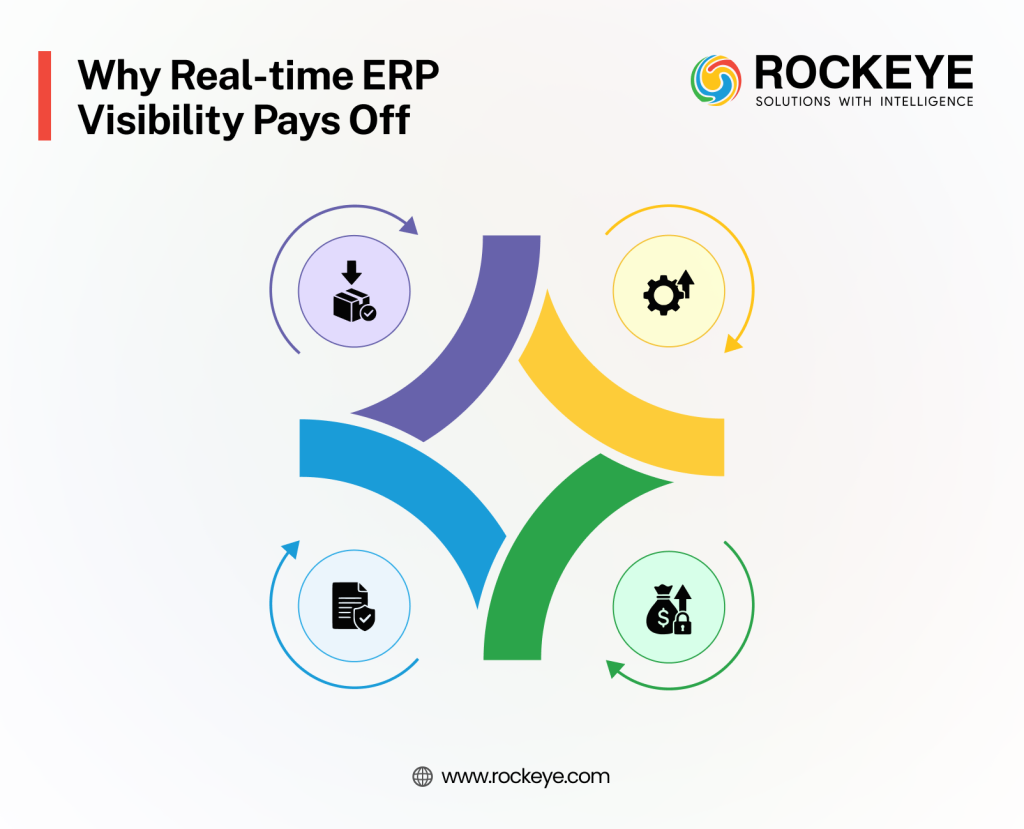
1. Reduced Stock-outs and Improved Customer Satisfaction
When you have real-time visibility, you can plan deliveries and stock replenishment more accurately. It ensures that fuel stations receive supplies on time, improving customer satisfaction and maintaining market reputation.
2. Increased Operational Efficiency
Real-time data eliminates manual reporting and improves workflow efficiency. Your team spends less time on administrative tasks and more time on strategic decision-making.
3. Stronger Regulatory Compliance
Fuel depots must comply with strict regulatory standards. With real-time ERP visibility, you can ensure accurate record-keeping, easy audit trails, and compliance with industry regulations.
4. Better Financial Control and Reduced Leakage
ERP visibility helps you track stock movements and financial transactions in real time. It reduces revenue leakage and ensures that every litre is accounted for.
Also read: Global Real-time Commercial Control: Detecting Pricing and Margin Variance Before It Escalates
How Smart Station System Integration Enhances Depot Operations
The fuel retail ecosystem in Kenya is expanding rapidly, and many operators are adopting smart station systems to improve customer experience and operational control. Integrating smart station systems with your ERP creates a seamless flow of data from retail outlets to depots.
This integration helps you:
- Monitor station stock levels in real time
- Automate replenishment based on consumption
- Improve visibility into sales and revenue
- Detect anomalies and prevent theft
Fuel Distribution Software in Kenya: The Key to Efficient Logistics
Fuel distribution is a complex logistics process involving tanker schedules, route optimization, and delivery tracking. Real-time ERP visibility supports fuel distribution software in Kenya by providing accurate, live data that helps you optimize delivery routes and schedules.
With integrated fuel distribution software, you can:
- Plan optimal delivery routes
- Track tanker movements in real time
- Manage driver performance and compliance
- Improve delivery timelines and reduce fuel loss
The Role of Supply Chain Suite in Fuel Depot Management
A supply chain suite provides end-to-end visibility and control over your entire supply chain. In the context of fuel depots, this means connecting procurement, inventory, logistics, and sales into one integrated system.
A robust supply chain suite helps you:
- Improve demand forecasting
- Enhance inventory control
- Streamline logistics and distribution
- Improve supplier management
- Reduce operational costs
How ROCKEYE Can Help Improve ERP Visibility in Kenyan Fuel Depots
At ROCKEYE, we understand the unique challenges of fuel depot operations in Kenya. Our solutions are designed to help you achieve real-time ERP visibility, improved supply stability, and stronger operational control.
We can help you by:
- Implementing modern ERP systems tailored to fuel depot operations
- Integrating smart station systems for seamless data flow
- Enabling real-time reporting across depots and retail stations
- Providing fuel supply chain management software in Kenya
- Ensuring compliance, security, and audit readiness
- Supporting your business with training, support, and continuous improvement
By partnering with ROCKEYE, you can gain a single source of truth for your fuel operations and build a more stable and reliable supply chain.
Achieving Supply Chain Stability in Kenya with ERP Visibility
Real-time Visibility is the Missing Link
Supply chain stability in Kenya depends on accurate, real-time information. Without it, depot managers and fuel marketers cannot respond effectively to demand changes, operational disruptions, or security risks.
Real-time ERP visibility is the missing link that connects all parts of the fuel value chain, ensuring stable supply and predictable operations.
Start Your Transformation Today
If you want to improve supply stability, reduce operational costs, and build a more reliable fuel distribution network, we can help. Our ERP systems in Kenya are designed for fuel depots, fuel marketers, and oil and gas operators who want real-time visibility and control.
FAQs
1. How does real-time ERP visibility improve fuel supply stability in Kenya?
Real-time ERP visibility ensures fuel depots have instant access to accurate stock levels, deliveries, and dispatch schedules. It allows managers to predict shortages, plan timely replenishments, and avoid overstocking. With live data, decision-makers can respond quickly to demand spikes, distribution delays, or safety incidents.
ROCKEYE’s ERP solutions integrate depot operations, logistics, and retail data into a single dashboard, enabling consistent fuel supply across Kenya and reducing the risk of stock-outs and disruptions.
2. What causes supply instability in Kenya’s fuel distribution network?
Supply instability in Kenya often results from fragmented systems, manual reporting, delayed data, and poor coordination between depots, transporters, and retail stations. Factors such as inconsistent demand forecasting, inefficient logistics, fuel theft, and lack of visibility into stock movements also contribute to disruptions.
When data is not centralized, decision-making becomes reactive, leading to frequent stock-outs, delayed deliveries, and uneven fuel distribution across regions.
ROCKEYE’s fuel supply chain management software in Kenya provides end-to-end visibility, enabling accurate forecasting, improved route planning, and real-time monitoring of stock movement to stabilize supply.
3. What are the challenges of managing fuel depots without ERP visibility?
Without ERP visibility, fuel depots face challenges such as manual inventory tracking, delayed reporting, inconsistent stock reconciliation, and high risk of fuel losses. Teams often rely on spreadsheets and paper logs, which are prone to errors and manipulation. Operational decisions are based on estimates rather than real data, increasing the risk of shortages, regulatory penalties, and revenue leakage.
ROCKEYE’s ERP systems in Kenya automate inventory control, improve stock reconciliation, and provide audit-ready reporting that supports accurate decision-making and operational control.
4. How does real-time data reduce fuel losses and theft in Kenya?
Real-time data enables immediate detection of stock discrepancies by comparing expected inventory with actual stock levels during each transaction. Any irregularity is flagged instantly, allowing managers to investigate and act before losses escalate. Real-time monitoring of tanker movements, loading schedules, and dispatch records also reduces opportunities for diversion and theft.
ROCKEYE’s ERP visibility tools integrate depot, logistics, and retail data, offering comprehensive monitoring and audit trails that help prevent fuel theft and minimize losses.
5. How does ERP integration support regulatory compliance in Kenyan fuel depots?
ERP integration helps fuel depots maintain accurate records for audits, safety checks, and regulatory reporting. Real-time data ensures compliance with industry standards and government regulations by providing traceable transaction logs, consistent stock records, and secure documentation. It reduces the risk of fines, penalties, and operational shutdowns.
ROCKEYE’s oil and gas software solutions in Kenya support compliance through automated reporting, secure data storage, and transparent audit trails across depot operations.