
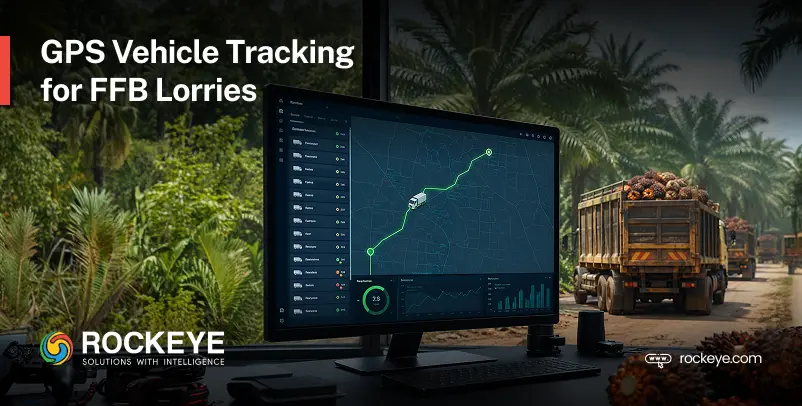


For palm oil mills in Indonesia and Malaysia, efficient FFB transportation plays an important role in maintaining smooth mill operations. Every delay, unplanned route change, fuel wastage, or inefficient vehicle movement can directly impact operational costs and productivity.
A palm oil vehicle tracking system helps mill owners and operations teams gain real-time visibility into FFB lorry movements, improve transportation control, and make better decisions using accurate data. With GPS technology integrated into a digital platform, companies can monitor vehicle locations, analyse transport performance, and optimise daily logistics activities.
Today, many palm oil businesses are moving towards digital solutions that connect transportation, operations, and reporting into a single system. Implementing FFB lorry GPS tracking is becoming an essential step for palm oil mills that want better fleet control, improved accountability, and higher operational efficiency.
For Palm Oil Mill Owners, General Managers, Estate Operations Heads, and IT teams, GPS-based vehicle tracking is not only about knowing where vehicles are located. It is about reducing operational leakage, improving planning, and creating a more data-driven transportation process.
What is FFB Lorry GPS Tracking?
FFB lorry GPS tracking is a technology solution that uses GPS devices installed in vehicles to monitor and record vehicle movements in real time. The system collects location data and provides visibility into important transport activities such as:
- Current vehicle location
- Travel routes
- Distance travelled
- Loading and unloading movement
- Arrival and departure times
- Idle time
- Unauthorised stops
- Vehicle utilisation
Instead of depending on manual updates, phone calls, or paper-based reports, mill management teams can access accurate information through a central digital platform.
For palm oil mills managing multiple FFB lorries, this visibility helps improve transportation coordination and reduce uncertainty in daily operations.
Why Palm Oil Mills Need a Vehicle Tracking System
Managing FFB lorry operations involves multiple challenges. Mills often need to coordinate several vehicles, monitor transportation schedules, control costs, and ensure timely movement of materials.
Without proper tracking, management teams may face issues such as:
- Lack of real-time vehicle visibility
- Difficulty verifying actual travel routes
- Higher fuel and maintenance costs
- Delays caused by inefficient vehicle allocation
- Limited information for performance analysis
- Dependency on manual reporting
A digital fleet tracking palm oil solution addresses these challenges by providing accurate operational data that helps managers take faster and better decisions.
Don’t Miss: What is Palm Oil ERP Software? A Complete Guide for Mills & Refineries
Key Benefits of GPS Vehicle Tracking for FFB Lorries
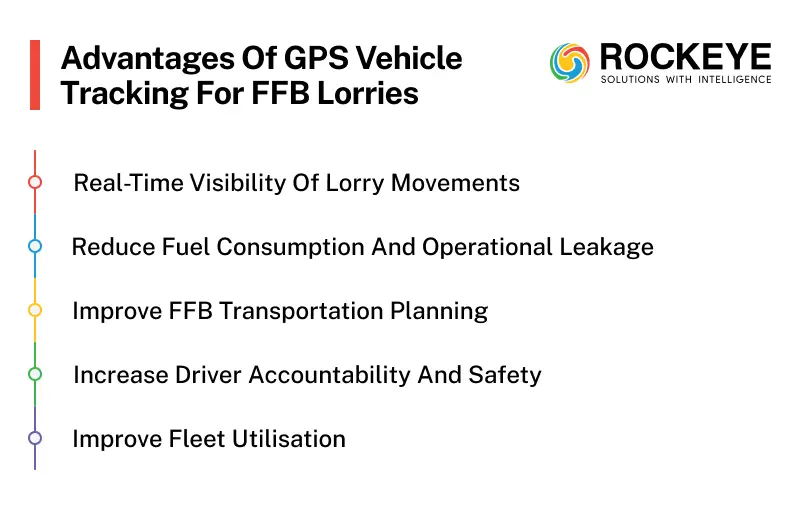
1. Real-Time Visibility of Lorry Movements
One of the biggest advantages of GPS tracking is complete visibility of vehicle activity.
Mill managers can view where each lorry is located and monitor movement progress without waiting for manual updates. This allows operations teams to quickly identify delays, unexpected stops, or route deviations.
Real-time visibility helps improve:
- Transportation coordination
- Daily planning
- Response time
- Operational control
For General Managers, this creates greater confidence that transportation activities are happening according to operational plans.
2. Reduce Fuel Consumption and Operational Leakage
Fuel is one of the major expenses in transportation operations. Inefficient routes, unnecessary idling, and unauthorised vehicle usage can increase operating costs.
With GPS tracking, companies can monitor:
- Vehicle travel patterns
- Excessive idling time
- Unnecessary route deviations
- Distance travelled compared to planned routes
This data allows management teams to identify cost-saving opportunities and improve fuel efficiency.
Over time, even small improvements in fuel control can create significant savings across a large fleet.
3. Improve FFB Transportation Planning
Efficient transportation planning requires accurate information. Without proper data, managers may struggle to understand vehicle availability, movement delays, or transportation bottlenecks.
A GPS-based solution helps teams make better decisions by providing insights into:
- Vehicle availability
- Average trip duration
- Transportation frequency
- Route efficiency
- Driver performance
When combined with a digital transport management system, GPS tracking can help automate transportation planning and improve coordination between different operational teams.
4. Increase Driver Accountability and Safety
Driver behaviour directly impacts transportation efficiency and safety.
GPS tracking enables companies to monitor driving patterns and identify areas for improvement, including:
- Excessive speeding
- Unnecessary stops
- Long idle periods
- Unplanned route changes
This creates greater accountability while encouraging safer and more responsible driving practices.
For operations managers, having clear vehicle activity records also makes performance discussions more objective and data-driven.
5. Improve Fleet Utilisation
Many palm oil companies operate multiple vehicles across different locations. Without proper monitoring, some vehicles may be underutilised while others are overloaded with assignments.
A fleet tracking palm oil solution provides insights into how vehicles are being used.
Management can analyse:
- Number of trips completed
- Vehicle downtime
- Utilisation rates
- Transportation efficiency
This helps companies maximise the value of their existing fleet before making additional investments.
How GPS Tracking Supports Digital Transformation in Palm Oil Operations
Palm oil companies across Indonesia and Malaysia are increasingly adopting digital solutions to improve operational efficiency. FBB lorry GPS vehicle tracking is an important part of this transformation journey.
However, tracking vehicles alone provides only limited benefits. The real value comes when transportation data is connected with other business processes through an integrated Palm Oil ERP platform.
An ERP system can help connect:
- Transportation activities
- Operational planning
- Cost management
- Reporting
- Performance analysis
With integrated data, management teams can move from reactive decision-making to proactive planning.
Understanding the ROI of FFB Lorry GPS Tracking
Many companies evaluate technology investments based on return on investment (ROI). GPS tracking provides measurable financial and operational benefits.
1. Lower Transportation Costs
By improving route planning, reducing unnecessary travel, and controlling fuel usage, GPS tracking can help reduce transportation expenses.
Potential savings come from:
- Better fuel management
- Reduced vehicle misuse
- Improved trip planning
- Lower operational inefficiencies
2. Higher Productivity from Existing Fleet
Instead of increasing fleet size, companies can improve utilisation of existing vehicles.
Better visibility helps identify:
Vehicles with low productivity
Delays in transportation cycles
Opportunities to optimise assignments
This allows companies to achieve more output with available resources.
3. Faster and More Accurate Decision-Making
Manual reports often provide delayed information. By the time management reviews the data, the operational issue may already have occurred.
Real-time GPS information allows managers to:
- Identify problems immediately
- Monitor daily performance
- Improve operational planning
- Faster decisions can lead to better overall productivity.
Choosing the Right GPS Tracking Solution for Palm Oil Operations
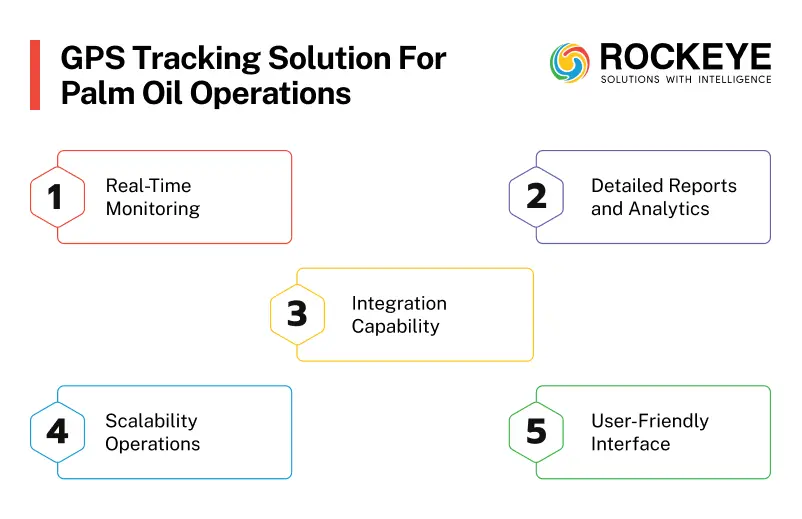
When selecting a GPS solution, palm oil companies should consider more than basic location tracking.
A suitable solution should provide:
- Real-Time Monitoring
The system should provide accurate vehicle locations and movement updates.
- Detailed Reports and Analytics
Management should have access to reports that support cost analysis and operational improvement.
- Integration Capability
The GPS solution should be able to connect with existing business systems, especially Palm Oil ERP platforms.
- Scalability
The solution should support business growth, additional vehicles, and expanding operational requirements.
- User-Friendly Interface
Managers and operational teams should be able to easily access important information without complicated processes.
Why Integrating GPS Tracking with a Palm Oil ERP Creates More Value
A standalone FBB tracking GPS lorry system provides location visibility, but an integrated ERP solution creates a complete operational picture.
By connecting GPS tracking with Palm Oil ERP software, companies can combine transportation data with business information to improve:
- Operational reporting
- Cost tracking
- Resource planning
- Performance measurement
- Management decision-making
For Palm Oil Mill Owners, IT Managers, and Digital Transformation Teams, this integration creates a stronger foundation for building a connected and efficient operation.
The Future of Palm Oil Transportation Management is Digital
As competition increases and operational costs continue to rise, palm oil companies need better control over their transportation activities.
Traditional manual processes make it difficult to identify inefficiencies and improve performance. Digital solutions such as FFB lorry GPS tracking provide the visibility needed to manage transportation more effectively.
Companies that adopt a modern transport management system combined with Palm Oil ERP capabilities can achieve:
- Better fleet control
- Reduced operational costs
- Improved productivity
- Data-driven decision-making
- Greater transparency across operations
Conclusion
GPS vehicle tracking is no longer just a tracking tool. For modern palm oil mills, it is a strategic solution that helps improve transportation efficiency, control costs, and strengthen operational visibility.
With FFB lorry GPS tracking, palm oil companies can understand vehicle performance, optimise fleet utilisation, and build a more efficient transportation process.
When integrated with our complete Palm Oil business solution, GPS data becomes even more valuable by connecting transportation insights with wider operational management.
For palm oil mill owners and digital transformation teams looking to improve efficiency and gain better control over operations, investing in an integrated digital platform can deliver long-term business value.
Ready to improve your palm oil transportation efficiency?
Explore how a Palm Oil ERP solution with GPS tracking integration can help your business reduce costs and make smarter operational decisions. – Connect With Us Now
Frequently Asked Questions
1. What is FFB lorry GPS tracking and how does it help palm oil mills?
FFB lorry GPS tracking is a technology solution that allows palm oil mills to monitor and manage their lorry movements in real time. It uses GPS devices installed in vehicles to track location, routes, travel time, stops, and overall fleet activity.
For palm oil mills, FFB lorry GPS tracking improves transportation visibility, helps reduce unnecessary delays, controls fuel and operational costs, and enables managers to make faster decisions using accurate data.
2. What are the benefits of using a palm oil vehicle tracking system?
A palm oil vehicle tracking system helps mills improve control over their transportation operations by providing real-time visibility of lorry movements.
Key benefits include:
- Monitoring vehicle locations and routes in real time
- Reducing fuel wastage and unnecessary trips
- Improving fleet utilisation
- Increasing driver accountability
- Identifying transportation delays quickly
- Generating accurate reports for better decision-making
By having complete visibility of vehicle operations, palm oil companies can improve efficiency and reduce transportation-related costs.
3. How can GPS tracking improve fleet management for palm oil companies?
GPS tracking improves fleet tracking palm oil operations by helping managers monitor vehicle performance, analyse movement patterns, and optimise daily transportation activities.
With GPS-based fleet management, companies can track:
- Vehicle usage and availability
- Trip history and route efficiency
- Idle time and delays
- Driver performance
- Fleet productivity
This allows operations teams to maximise existing fleet capacity and improve overall transportation planning.
4. Can GPS vehicle tracking integrate with a Palm Oil ERP and transport management system?
Yes, GPS vehicle tracking can be integrated with a Palm Oil ERP and transport management system to create a connected digital operation.
Integration allows companies to combine vehicle tracking data with operational reports, cost analysis, and management dashboards. This provides a complete view of transportation performance and helps decision-makers improve planning, reduce inefficiencies, and manage operations more effectively.
5. What ROI can palm oil mills expect from FFB lorry GPS tracking?
The ROI of FFB lorry GPS tracking comes from improved fleet efficiency, reduced operational leakage, and better resource utilisation.
Companies can achieve ROI through:
- Lower fuel consumption
- Reduced unnecessary vehicle movement
- Better trip planning
- Improved fleet productivity
- Faster identification of operational issues
- Reduced dependency on manual reporting
When combined with a Palm Oil ERP solution, GPS tracking provides valuable data that helps palm oil companies continuously improve transportation performance and achieve long-term cost savings.